




Delivering Data-Driven Reforms in Uzbekistan
Uzbekistan’s Delivery Unit is helping to strengthen public programmes, from breast cancer screening to school infrastructure upgrades. Aziza Umorova explains how data-driven decision-making can turn national priorities into real-world results.
A Mandate for Change
Uzbekistan, as a relatively young nation born out of the Soviet Union’s collapse in 1991, has grown and evolved through a constant process of reform. Being part of that journey has significantly shaped how I see the world. I have long been drawn to understand the mechanics of meaningful change: what makes reforms successful, and how different countries navigate that path.
At the Delivery Unit I lead, our approach is rooted in systems thinking to connect government priorities and coordinate action across different ministries. That helps us look beyond isolated problems to examine the interlinked dynamics that shape them. A core part of our work involves using data and evidence to inform decisions, and improve the way power and accountability are structured within the system. By creating greater transparency and clarity around results, data becomes a tool for both empowerment and reform. We believe that data has the ability to consolidate and rearrange societal power structures.
The Delivery Unit is a component of Uzbekistan’s broader public administration reforms, which are aligned with the “New Uzbekistan” agenda and its core principle that government exists to serve the people. As a small, technocratic team, the Unit works closely with ministries to improve how effectively policies are implemented. This involves coordinating work between ministries, tracking progress on national priorities, identifying policy or operational bottlenecks in programmes, and enabling strategic interventions that address those bottlenecks. Its mandate is to enhance public service delivery through a data-driven, results-focused approach, with a particular emphasis on three key sectors – water, education, and healthcare – in line with the national Uzbekistan 2030 strategy.1
By creating greater transparency and clarity around results, data becomes a tool for both empowerment and reform.
In just two years since our launch in May 2023, we have co-created a women’s cancer control programme focusing on breast and cervical cancers, the country’s leading causes of cancer-related deaths. We have also initiated a major “Clean Hands” campaign to enhance sanitation and hygiene facilities in public schools, kindergartens, and healthcare centres, piloted soakaway solutions – underground pits that safely absorb wastewater into the ground – for rural schools, and supported the establishment of a cancer registry.
These efforts show how systems thinking can drive real change by aligning policies and resources across sectors to connect them to the larger picture. By strengthening collaboration between ministries and focusing on outcomes over inputs or outputs, the Unit works to improve cooperation between institutions, ensure public money is spent effectively, and address entrenched power dynamics that block reform.
We have created a geoportal for managing public investments in social infrastructure, drafted a data governance law to strengthen evidence-based decision-making across government levels, and carried out the first regional foresight exercise for Central Asia 2050, a regional initiative to map long-term trends.




Harnessing Data and Geospatial Technology for Development
To better understand the nationwide distribution of infrastructure and services, our Delivery Unit launched a large-scale geospatial mapping initiative. It began as a grassroots “mapathon” in 2023 called the “Mapped for Water” campaign, where 120 volunteers used a mobile web survey to assess water access across 550 streets in just two days, incentivised by a simple prize: trendy earphones.2 What started as a small, creative initiative quickly scaled into a national effort, engaging five ministries, local authorities, and ultimately mapping over 11,000 schools, 3,200 healthcare facilities, and thousands of communities across the country.
One of the most significant findings from our data collection effort was the widespread lack of adequate Water, Sanitation, and Hygiene (WASH) facilities in schools. A 2024 survey revealed that only 53% of schools had access to centralised water supply and just 12% were connected to sewage systems. These figures were much lower than previously assumed. This mapping exercise became a catalyst for a broader public investment programme in social infrastructure, which was jointly coordinated by key ministries and international development partners.
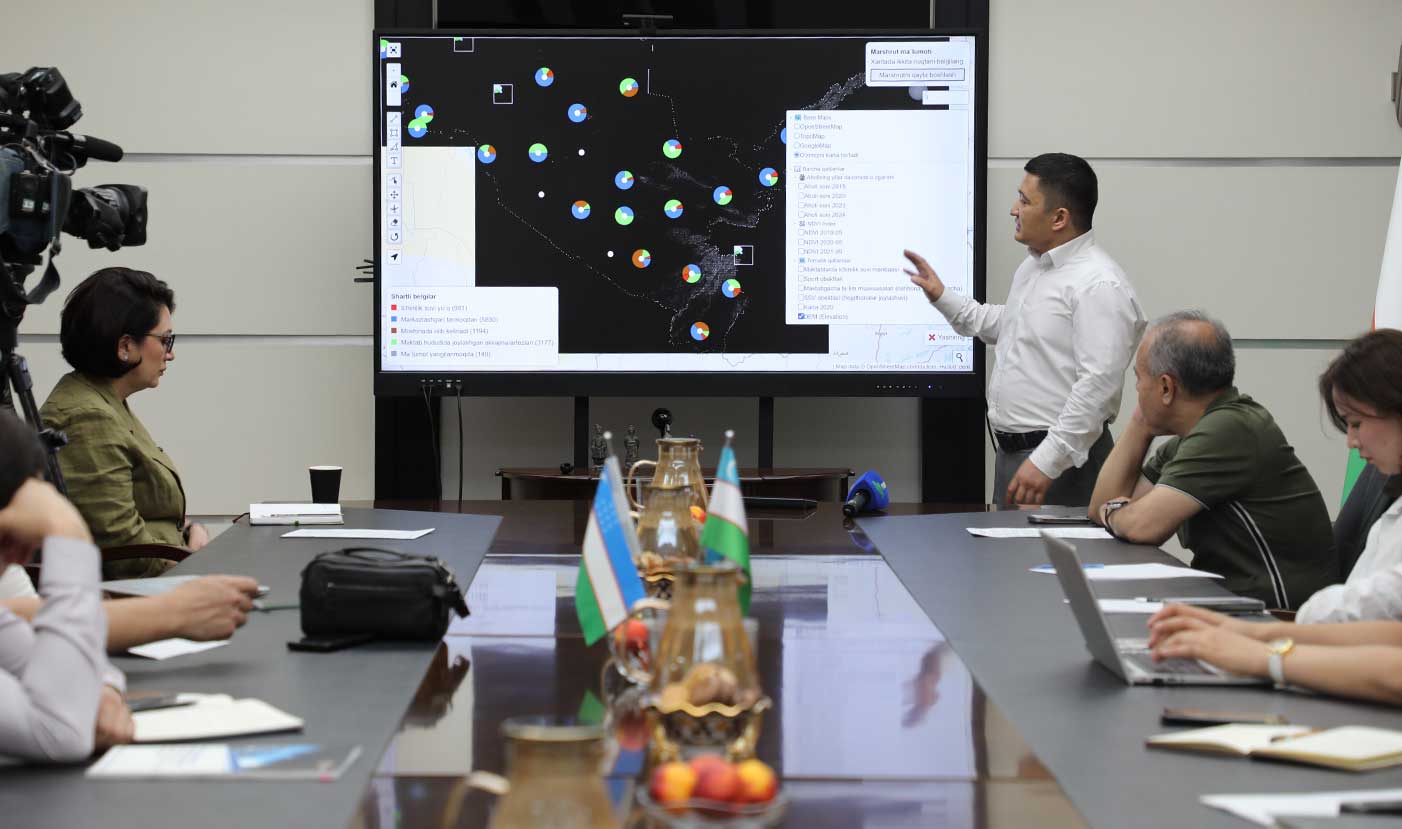
The Delivery Unit partnered with key ministries to co-develop a national WASH investment programme: retrofitting existing schools, ensuring that all newly built schools comply with sanitation standards, and piloting low-cost, electricity-free soakaway systems in three rural regions. As of May 2025, the government has significantly increased its budget for sanitation in public schools, healthcare facilities, and kindergartens, raising annual funding to US$ 85m, which represents a major step towards universal access to safe and dignified sanitation services.
The collected data has also been consolidated into a centralised geoportal that stores, analyses, and visualises information to improve transparency and enable evidence-based decision-making. The portal uses spatial data, Geographical Information Systems (GIS) technology, and AI-driven analytics to monitor the progress of infrastructure projects, identify areas underserved by public services, and inform decisions on where public funds should be allocated for the greatest impact.
Our geoportal is based on open-source technologies which have been enhanced with custom tools created by local experts in Uzbekistan. Many of its advanced capabilities, such as automated distance measurements, hotspot analysis, and seamless integration with various datasets, were developed in-house. The geoportal offers a digital and scalable blueprint for other national platforms that aim to support inclusive governance and data-informed planning.

Empowering Citizens to Drive and Monitor Reforms
Citizen-led monitoring, a process in which members of the public track and report on the quality of public services, is becoming increasingly important, especially among Gen Z. In Uzbekistan, where nearly 55% of the population is under 30, the perspectives and expectations of a younger generation are reshaping how we approach accountability. For us, citizen engagement is essential to improving public services and making them more inclusive, particularly in areas far from the capital.
We are harnessing low-cost, accessible civic technologies, citizen science, and community-generated data, and combining them with open government datasets to empower citizens. The goal is to elevate community voices and build capacity for accountable governance. The Delivery Unit also engages citizens directly in monitoring progress on the ground. These efforts will ensure that improvements are not measured solely through administrative reports or official data.
In our WASH improvement initiatives, for instance, we involve students, parents, teachers, and community members in validating the state of WASH facilities, thereby promoting greater transparency, accountability, and trust in the reform process. Our geoportal also gives the public access to verified data on schools, kindergartens, healthcare facilities, and water and sewage systems, which allows citizens to validate the information themselves and take part in shaping local priorities.
Citizen engagement is not just a checkbox: it is a driver of smarter, more inclusive public service delivery in places far away from the capital.
Delivering Success: Challenges, Opportunities, Markers
One of the Delivery Unit’s main challenges in implementing its ambitious target indicators for 2026 – targets that span healthcare, drinking water, and education infrastructure – has been overcoming sectoral fragmentation. Ministries and agencies often work in isolation within their own mandates, with limited incentives or institutional mechanisms for cross-ministry collaboration. This siloed approach results in fragmented planning, even when multiple sectors aim to serve the same communities or achieve shared outcomes. The lack of built-in incentives for a whole-of-government approach only deepens this issue, as collaboration is neither systematically encouraged nor tied to performance.
The Delivery Unit functions as a neutral, integrative platform designed specifically to address that challenge. It brings together development partners with stakeholders from different ministries and regions. It uses data as a central tool to align priorities, support joint decision-making, and promote shared accountability.
By adopting approaches that are inclusive and evidence-based, we ensure that solutions are technically feasible, institutionally sound, and aligned with community needs. This fosters trust and collaboration, leading to policies that are both equitable and effective in addressing our pressing national challenges.
Ultimately, success is measured not just by outputs, but by lasting systemic improvements – such as expanded service access, stronger inter-agency coordination, and better alignment of public investments with citizens’ needs. We want to see real impact in people’s lives.



The Role of Delivery Units in Good Governance
Delivery Units such as ours are closely aligned in nature with the rise of Innovation Labs globally. Both utilise similar tools – design thinking, experimentation, and leveraging citizen and expert insights to develop effective solutions.
What makes Uzbekistan’s Delivery Unit and its global counterparts particularly important is their focus on execution. They serve a critical function in bridging the gap between ambitious policy goals and tangible results. This is especially vital in reform-driven countries, where traditional bureaucratic systems may struggle with agility, coordination, or follow-through at scale. Delivery Units are enablers of sustained, system-wide transformation.
Delivery units can falter if they lack ambition or resilience. One that is not sufficiently bold in its vision or persistent in the face of obstacles may struggle to drive meaningful change. Without integration into broader policy and budgeting systems, even the most well-intentioned efforts risk being sidelined.

Digital Transformation: A Regional Challenge
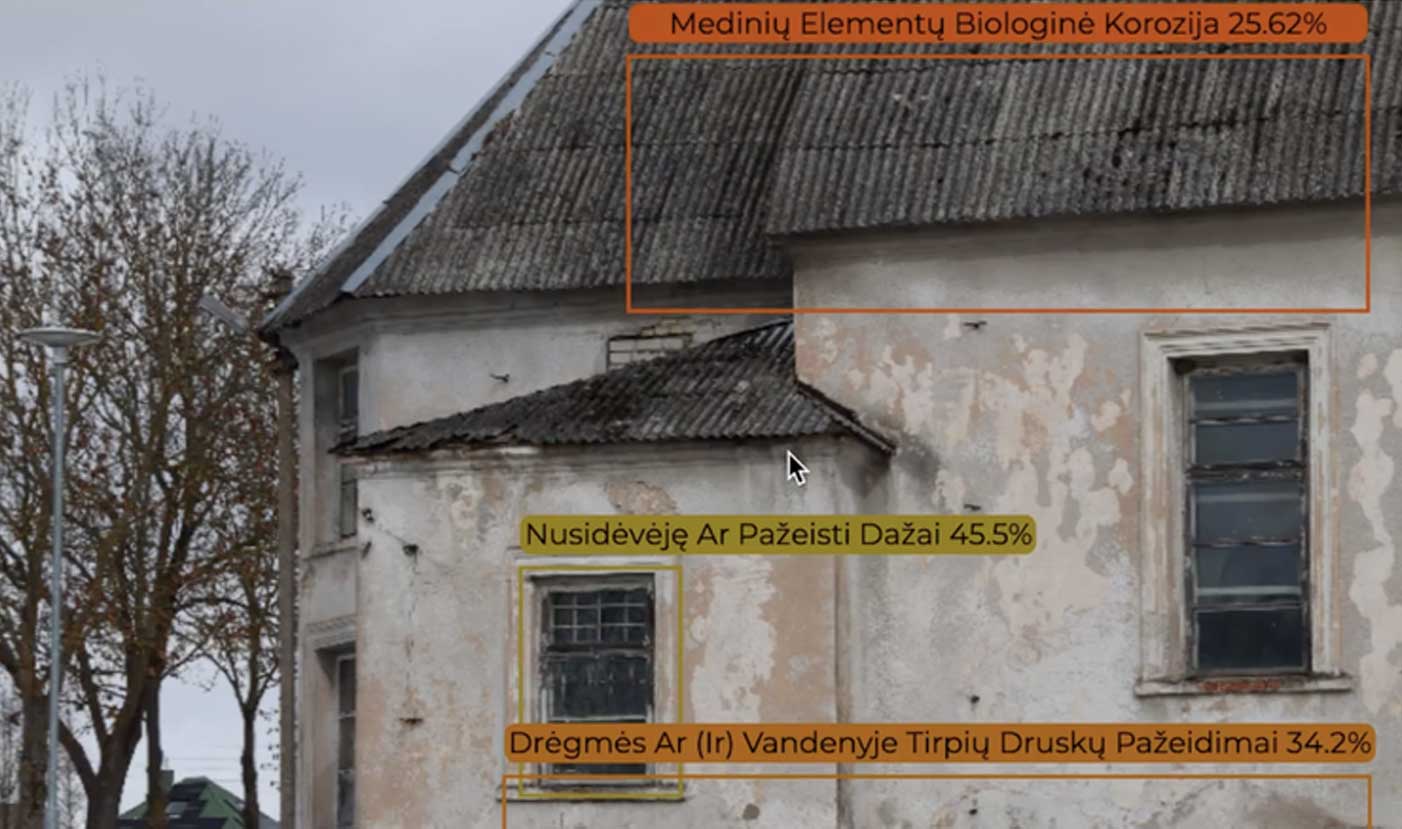
One of the most common challenges governments across Eurasia face in implementing digital transformation is the legacy mindset and systems that continue to shape public services. Too often, digital platforms are designed around government structures and internal processes rather than being built around citizens and their life cycle. This approach limits the transformative potential of digital technologies, as it simply digitises existing inefficiencies instead of reimagining services in a more accessible, responsive, and human-centred way.
Yet, there are significant opportunities to overcome these challenges. At the Agency for Strategic Reforms under the President of the Republic of Uzbekistan, we are actively working to address one of the core barriers: the absence of a coherent data governance framework. We have developed a draft law on data governance aimed at institutionalising data-driven decision-making across the public sector. This legislation will enable the strategic use of data across the entire policy cycle, from planning and implementation to monitoring, evaluation, and investment management.
In modern governance, data is no longer optional, it is foundational. Reliable, timely, and integrated data systems allow governments to accurately diagnose issues and tailor policy responses to real needs, track progress and outcomes to ensure accountability, allocate resources more effectively based on evidence, and build public trust through transparency and openness.
Ultimately, smart governance is not just about adopting new technologies or passing new laws – it is about ensuring those laws and systems are informed by quality data, aligned with citizen needs, and capable of adapting as conditions evolve. Data transforms good intentions into measurable, accountable action. That is the direction we are committed to taking in Uzbekistan – and it is a lesson that resonates across the region.